
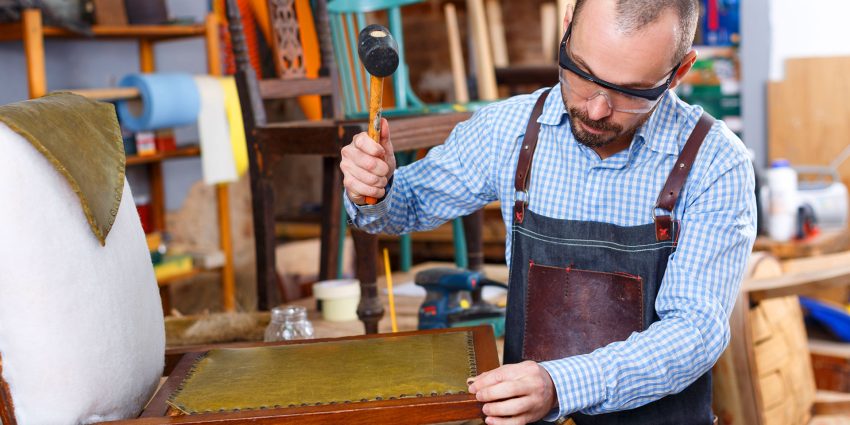
Ever sunk into a worn-out armchair and wondered how it could ever look brand new again? The secret lies in a centuries-old craft that blends artistry with serious skill. If you’ve stumbled across the term while shopping for furniture or planning a DIY refresh, you’re probably asking yourself: what is upholstering, and why does it matter so much?
Whether you’re a homeowner trying to revive a flea market find or simply curious about the trade, this guide breaks down everything you need to know about the world of upholstery, from its core definition to the tools and techniques that bring tired furniture back to life.
What Is Upholstering?
Upholstering is the craft of providing furniture, especially seats, with padding, springs, webbing, and fabric or leather covers. It involves attaching cushioning materials to a frame and finishing them with a decorative outer layer. The process can apply to new builds or reupholstery, which restores worn pieces to a like-new condition.
The Core Components of Upholstery Work
To truly understand upholstering, it helps to know what goes on beneath that beautiful outer fabric. Every well-crafted piece is built in layers, with each one playing a critical role in comfort and durability.
- Frame: The skeleton, typically made of hardwood, metal, or engineered wood.
- Webbing: Strong bands stretched across the frame to support the seat.
- Springs: Coil or sinuous springs that provide bounce and resilience.
- Padding: Layers of foam, batting, cotton, or horsehair for cushioning.
- Cover Fabric: The visible textile or leather that defines the piece’s style.
A Quick Look at the History of Upholstering
Upholstery dates back to the Middle Ages, when craftsmen lined walls and seats with heavy fabrics for warmth and luxury. By the 17th and 18th centuries, padded furniture became a status symbol in European homes, with elaborate tufting and ornate trim signaling wealth.
Today, the trade has evolved with synthetic foams, modern adhesives, and power tools, but the fundamental hand-skills remain remarkably unchanged. Many professional upholsterers still rely on techniques their predecessors used centuries ago.
The Step-by-Step Process of Upholstering Furniture
While every project has its quirks, most upholstery jobs follow a predictable rhythm. Understanding these stages can help you appreciate the labor that goes into each finished piece.
1. Stripping the Old Materials
The old fabric, padding, and staples are carefully removed. This step often reveals the true condition of the frame and springs hidden underneath.
2. Repairing the Frame
Loose joints get re-glued, broken wood gets reinforced, and the foundation is checked for stability. A solid frame is non-negotiable for longevity.
3. Re-Webbing and Spring Work
Fresh webbing is stretched tight, and springs are tied or replaced. This stage determines how the seat will feel for years to come.
4. Padding and Shaping
Foam, batting, and other fillers are added in carefully measured layers. Shaping the padding is where craftsmanship really shines.
5. Cutting and Fitting the Cover
Fabric is measured, cut, sewn, and pulled snugly over the padding. Pattern alignment, especially with stripes or florals, takes a sharp eye.
6. Finishing Touches
Trim, welting, buttons, and decorative nails complete the look. The result should feel polished from every angle.
Essential Tools Used in Upholstering
Quality work demands the right gear. A professional upholsterer’s bench is rarely without a few signature instruments.
Cutting & Fastening
- Staple guns and removers
- Heavy-duty shears
- Curved upholstery needles
- Tack hammers
Shaping & Stretching
- Webbing stretchers
- Regulators
- Pliers and pincers
- Foam saws
One often-overlooked category is gripping tools. Stretching fabric tightly around corners or pulling stubborn staples calls for precision hand tools, and a quality pair of upholstery pliers can make the difference between a sloppy seam and a flawless edge.
Upholstering vs. Reupholstering: What’s the Difference?
The two terms get tossed around interchangeably, but they’re not quite the same thing.
- Upholstering refers to the original process of building a padded piece from a bare frame.
- Reupholstering involves stripping an existing piece and replacing the worn padding, fabric, and sometimes springs.
Both require similar skills, but reupholstery has the added challenge of working with vintage frames and matching the original design intent.
Why People Choose Upholstery Over Buying New
Even with the rise of fast furniture, traditional upholstery work continues to thrive. Here’s why:
- Sustainability: Keeping old furniture out of landfills is better for the planet.
- Quality: Older frames are often built from solid hardwood that outlasts modern alternatives.
- Customization: You pick the exact fabric, color, and finish.
- Sentimentality: Family heirlooms can be restored without losing their character.
- Value: Reupholstering a quality piece often costs less than replacing it with something comparable.
Common Types of Upholstery Fabrics
Choosing the right cover is half the battle. Each material brings its own personality and performance to the table.
- Leather: Durable, luxurious, and ages beautifully.
- Linen: Lightweight and casual, but prone to wrinkling.
- Velvet: Plush and elegant, with rich color depth.
- Cotton: Versatile and breathable, available in countless prints.
- Synthetic blends: Engineered for stain resistance and high traffic.
Frequently Asked Questions
Is upholstering a hard skill to learn?
The basics, such as recovering a simple dining chair, can be picked up in a weekend. Mastering complex pieces with springs, tufting, and tailored welting can take years of practice.
How long does upholstered furniture last?
A professionally upholstered piece can last 15 to 25 years or more, depending on the quality of materials, the build, and how often it’s used.
Can any piece of furniture be reupholstered?
Most pieces with a solid frame are good candidates. However, badly damaged frames, particle board construction, or pieces with extensive water or pest damage may not be worth the investment.
What’s the average cost of reupholstering a sofa?
Costs vary widely based on size, fabric, and labor rates, but reupholstering a standard sofa typically ranges from several hundred to a few thousand dollars.
Do I need special tools to try upholstering at home?
Yes, beginners should invest in at least a staple gun, fabric shears, a tack hammer, and a good pair of pliers. As you take on more advanced projects, the toolkit naturally grows.
Final Thoughts
Upholstering is much more than slapping new fabric on an old chair. It’s a layered craft that combines woodworking, sewing, design, and problem-solving into one rewarding discipline. From the supportive webbing hidden inside a seat to the final tack hammered into place, every step matters.
Whether you’re considering a professional restoration, planning a DIY adventure, or simply curious about how your favorite armchair came to be, understanding the fundamentals of upholstery gives you a deeper appreciation for the furniture you live with every day.