
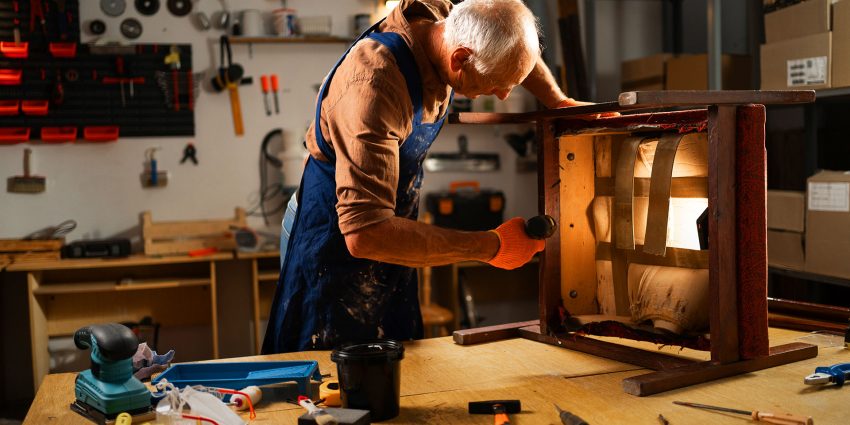
Choosing the right upholstery material can make or break the look, comfort, and longevity of any furniture piece. Whether you’re restoring a vintage armchair, reupholstering a sofa, or tackling a brand-new custom build, the fabric or leather you select will define how that piece performs for years to come. With dozens of options available, each with its own set of benefits and limitations, knowing what to look for before you buy is absolutely essential.
What Is Upholstery Material?
Upholstery material refers to any fabric, leather, vinyl, or textile used to cover and cushion furniture. It serves both a functional and aesthetic purpose, providing comfort, protecting the underlying frame and padding, and contributing heavily to the overall design of a piece.
The term encompasses a wide range of materials, from traditional woven fabrics like cotton and linen to modern synthetics like polyester and microfiber. Each material category brings unique properties related to durability, texture, ease of cleaning, and cost.
Understanding the differences between these materials isn’t just helpful for interior designers or professional upholsterers. Even a passionate DIY enthusiast needs a solid grasp of fabric choices to avoid costly mistakes and achieve professional-quality results.
The Most Popular Types of Upholstery Material
The market is filled with options, so let’s break down the most widely used upholstery materials and what makes each one stand out.
1. Cotton
Cotton is one of the oldest and most trusted upholstery fabrics. It is soft, breathable, and available in an enormous range of colors and patterns. Cotton upholstery material is especially popular for casual living spaces and traditional furniture styles.
However, pure cotton tends to wrinkle and fade relatively quickly, especially in high-traffic areas. For better performance, many manufacturers blend cotton with synthetic fibers like polyester to improve durability and resistance to wear.
2. Linen
Linen has a beautifully textured, natural appearance that lends an elegant, laid-back sophistication to furniture. It is strong, lightweight, and eco-friendly, making it a favorite among sustainable design enthusiasts.
On the downside, linen can be prone to wrinkling and staining, which makes it better suited for low-traffic furniture or decorative pieces. Like cotton, linen is often blended with other fibers to enhance its durability.
3. Polyester and Polyester Blends
Polyester is an incredibly versatile synthetic upholstery material. It is resistant to stretching, shrinking, and wrinkles, and it holds color exceptionally well over time. Polyester blends are a go-to choice for high-traffic furniture because they balance affordability with resilience.
When blended with natural fibers like cotton or wool, polyester enhances the fabric’s lifespan without sacrificing the softness or visual appeal of the natural material. This is why blended fabrics are so commonly found on sofas, dining chairs, and office furniture.
4. Microfiber
Microfiber has surged in popularity over the past two decades, and for good reason. This tightly woven synthetic fabric is incredibly soft to the touch, highly durable, and resistant to stains and moisture. It’s an excellent choice for households with children or pets.
Microfiber is also easy to clean, most spills can be wiped away with a damp cloth before they settle into the fibers. Its suede-like appearance gives furniture a refined, contemporary look without the high price tag of genuine suede.
5. Velvet
Few upholstery materials carry the visual impact of velvet. Its dense pile creates a rich, luxurious texture that instantly elevates the look of any furniture piece. Velvet is available in both natural (cotton or silk-based) and synthetic forms.
Synthetic velvet, often made from polyester or nylon, offers improved durability compared to its natural counterparts. While velvet requires more careful maintenance to prevent crushing and matting of the pile, it remains a top choice for statement sofas, accent chairs, and headboards.
6. Leather
Genuine leather is the gold standard when it comes to premium upholstery material. It is incredibly durable, develops a beautiful patina over time, and is easy to wipe clean. Leather is ideal for living rooms, offices, and any space where both style and longevity are priorities.
Full-grain leather is the highest quality, followed by top-grain, corrected-grain, and bonded leather. Each grade differs in terms of texture, appearance, and price. Genuine leather does require conditioning treatments to prevent drying and cracking, especially in low-humidity environments.
7. Faux Leather (PU and PVC)
Faux leather, made from polyurethane (PU) or polyvinyl chloride (PVC), provides the aesthetic appeal of genuine leather at a fraction of the cost. It is also a cruelty-free alternative, making it popular among ethically conscious consumers.
Modern faux leather has improved significantly in quality and realism. While it doesn’t age as gracefully as real leather and can peel or crack over time, high-quality PU leather can be a practical and attractive option for budget-conscious projects.
8. Wool and Wool Blends
Wool upholstery fabric is naturally resilient, flame-resistant, and temperature-regulating. It’s a classic choice for formal furniture and traditional interiors. Wool has a natural elasticity that helps it retain its shape under pressure, making it well-suited for heavily used seating.
Wool blends, often combined with nylon or polyester, offer even greater strength and color retention. The main drawback is cost, wool tends to be on the higher end of the price spectrum for upholstery materials.
9. Chenille
Chenille is a soft, fuzzy fabric with a distinctive pile that gives it an almost velvety feel. It is one of the most comfortable upholstery materials available and is often used on sofas and armchairs designed for relaxed lounging.
While chenille is cozy and visually appealing, it can snag and pull if it comes into contact with sharp objects or rough surfaces. It performs best in low-to-medium traffic environments where its plush texture can truly shine.
10. Jacquard
Jacquard fabric is woven on a special loom that allows for intricate, built-in patterns rather than printed designs. This method produces a more durable pattern that won’t fade or wear away over time, making jacquard a popular choice for formal or decorative furniture pieces.
The complexity of the weaving process means jacquard tends to be more expensive than other woven upholstery fabrics. However, the results are undeniably striking, with richly textured patterns that add depth and character to any interior.
Key Factors to Consider When Choosing Upholstery Material
With so many options to choose from, narrowing down the right upholstery material requires thinking carefully about your specific use case. Here are the most important factors to weigh before making a decision.
Durability and Wear Rating
Many upholstery fabrics come with a rub count or “double rub” rating, which measures how many back-and-forth rub motions the fabric can withstand before showing wear. For residential use, a rating of 15,000 double rubs is generally considered sufficient. For commercial or high-traffic environments, look for fabrics rated at 30,000 or higher.
Household Considerations
Think honestly about your household environment before purchasing. Consider the following:
- Pets: Look for tightly woven fabrics or leather that resist claw marks and repel pet hair.
- Children: Choose stain-resistant, easy-to-clean materials like microfiber or treated polyester.
- Allergies: Natural fibers like wool and cotton are hypoallergenic, while some synthetic materials may trap allergens.
- Sun exposure: If furniture sits near windows, choose solution-dyed or fade-resistant fabrics to maintain color.
Aesthetic Goals
The material should complement the overall design of the room. Velvet and jacquard lend themselves to traditional or maximalist aesthetics, while microfiber and leather suit contemporary and minimalist spaces. Consider color, texture, and pattern as part of the broader design language of your interior.
Maintenance and Cleaning
Some upholstery materials are far easier to maintain than others. Check the cleaning codes on fabric labels:
- W: Water-based cleaners only
- S: Solvent-based cleaners only
- W/S: Either water or solvent-based cleaners
- X: Vacuum only, no liquid cleaners
Budget
Upholstery material prices vary enormously. Budget-friendly options like polyester blends and faux leather offer excellent value, while premium choices like full-grain leather, silk velvet, or high-end wool can significantly increase project costs. Set a realistic budget before you start shopping and prioritize durability if cost is a concern.
How Upholstery Material Affects Project Complexity
Not all upholstery materials behave the same way during a project. Some fabrics are forgiving and easy to work with, while others demand a higher level of skill and the right equipment to achieve clean, professional results.
Slippery fabrics like silk or satin are notoriously difficult to cut and pin without shifting. Heavy materials like leather require specific needles, thread, and tools to sew and tack correctly. Patterned fabrics like stripes or large-scale prints must be carefully matched across seams, which adds time and material waste to a project.
This is why having the right tools is just as important as choosing the right material. When you’re working with challenging upholstery materials, specialized equipment can mean the difference between a frustrating experience and a polished outcome. If you’re curious about how the right equipment can simplify your work, explore these professional-grade tools designed to make complex upholstery projects look effortless, from tack hammers and staple removers to regulator needles and stretching pliers.
Natural vs. Synthetic Upholstery Materials: A Quick Comparison
Natural Upholstery Materials
- Breathable and comfortable in all seasons
- Often hypoallergenic
- Eco-friendly and sustainable
- Age beautifully with proper care
- Generally higher cost
- May require more careful maintenance
Synthetic Upholstery Materials
- Highly durable and resistant to wear
- Often stain and moisture resistant
- Available in a vast range of colors and textures
- More affordable and widely accessible
- Can trap heat, less breathable
- May not age as gracefully as natural fibers
Tips for Buying Upholstery Material
Shopping for upholstery fabric can feel overwhelming with so many choices available. These practical tips will help you make a confident, well-informed purchase.
- Order samples first: Always request swatches before committing to a full yardage order. Seeing and feeling the material in your own lighting and against your existing décor is invaluable.
- Buy extra yardage: It’s better to have leftover fabric than to run short mid-project. A general rule is to add 10–15% extra for pattern matching and cutting mistakes.
- Check the fabric width: Standard upholstery fabric comes in 54-inch widths, but some materials differ. Narrower widths mean you’ll need more yardage to complete the same project.
- Ask about treatment options: Many fabrics can be treated with stain-resistant or UV-protective finishes at the point of purchase or after installation.
- Consider repeat patterns carefully: Large pattern repeats require more yardage and precise alignment during cutting and sewing. Factor this into your material estimate.
- Read reviews: For online purchases, especially, reviews from other upholsterers or consumers can reveal real-world performance issues that aren’t always reflected in product descriptions.
Sustainable and Eco-Friendly Upholstery Material Options
As environmental awareness grows, more consumers and designers are turning to sustainable upholstery material alternatives. These options reduce environmental impact without compromising on quality or aesthetics.
Recycled Polyester (rPET)
Made from recycled plastic bottles, rPET fabric delivers the same durability and stain resistance as conventional polyester with a significantly reduced carbon footprint. It’s increasingly available in a wide range of colors and textures.
Organic Cotton and Linen
Certified organic cotton and linen are grown without synthetic pesticides or fertilizers, making them a healthier and more environmentally responsible choice. These materials carry the same comfort and breathability as their conventional counterparts.
Plant-Based Leather Alternatives
Innovative materials like Piñatex (made from pineapple leaf fibers), mushroom leather (mycelium-based), and apple leather are emerging as exciting alternatives to both genuine and petroleum-based faux leather. While still niche and sometimes pricier, they represent the future of sustainable luxury upholstery.
Hemp Fabric
Hemp is one of the most sustainable crops on the planet, requiring minimal water and no pesticides. Hemp upholstery fabric is strong, naturally resistant to mold and UV light, and softens beautifully over time with use.
Caring for Your Upholstery Material
Even the highest-quality upholstery material won’t last if it isn’t properly maintained. A consistent care routine extends the life of your furniture and keeps it looking its best.
- Vacuum regularly: Use a soft brush attachment to remove dust and debris before it works its way into the fibers.
- Address spills immediately: Blot, never rub, spills with a clean cloth to prevent them from setting into the fabric.
- Rotate cushions: Rotating and flipping removable cushions evens out wear patterns and prolongs their shape and comfort.
- Keep away from direct sunlight: Prolonged sun exposure fades and weakens most upholstery materials. Use blinds, curtains, or UV-protective window film to protect your furniture.
- Professional cleaning: For delicate or heavily soiled materials, periodic professional cleaning ensures a deep clean without risking damage from the wrong products or techniques.
- Condition leather regularly: Apply a quality leather conditioner every 6–12 months to keep genuine leather supple and crack-free.
Final Thoughts on Choosing the Right Upholstery Material
Selecting the ideal upholstery material is a decision that blends practicality with personal taste. From the timeless luxury of genuine leather to the everyday resilience of microfiber, each material has a distinct role to play depending on your lifestyle, budget, and design vision. The key is to align your material choice with the real demands of your space, not just how it looks in a showroom or on a screen.
Take the time to evaluate durability, maintenance needs, environmental impact, and how the material will interact with your tools and techniques during the upholstery process. When all of these factors align, the result is furniture that not only looks stunning but stands the test of time. Invest thoughtfully in your materials, equip yourself with the right tools, and you’ll be amazed at what you can create.