
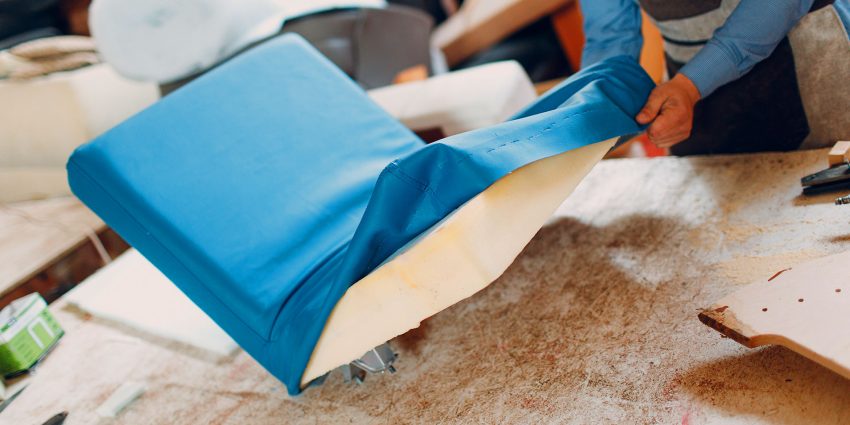
Whether you’re restoring a vintage armchair, reupholstering a dining set, or diving into a brand-new furniture project, having the right upholstery tools makes the difference between professional results and a frustrating experience. The craft of upholstery has endured for centuries, and while techniques have evolved, the fundamental need for quality, purpose-built tools has never changed. This guide breaks down everything you need to know, from beginner essentials to advanced professional equipment, so you can work smarter, faster, and with confidence.
Why the Right Upholstery Tools Matter More Than You Think
Many beginners underestimate how much their tools influence the final outcome of a project. A dull tack hammer, a poorly balanced staple gun, or the wrong type of needle can turn what should be a clean, satisfying job into hours of rework and wasted materials.
Professional upholsterers invest in quality tools for good reason. The right equipment gives you better control, reduces hand fatigue during long projects, and produces cleaner, more durable results. Think of your tools as an extension of your skill, they amplify what you’re capable of doing.
There’s also a deeper reason seasoned craftspeople are selective about their tools. The enduring standard of craftsmanship looks that professionals demand simply cannot be achieved with cheap, unreliable equipment, which is why so many upholsterers remain fiercely loyal to trusted tool brands decade after decade.
The Essential Upholstery Tools Every Beginner Needs
If you’re just starting out, you don’t need to buy everything at once. Focus first on the core tools that will get you through the majority of beginner and intermediate projects. As your skills grow, you can expand your toolkit strategically.
Tack Hammer
The tack hammer is arguably the most iconic upholstery tool. It’s used to drive tacks into frames when securing fabric, webbing, or trim. Unlike standard hammers, tack hammers are lightweight, balanced, and often magnetic on one end, allowing you to hold a tack in place before driving it without risking injury to your fingers.
Look for a hammer with a comfortable grip and a solid metal head. The balance and weight of this tool directly affect your precision, especially when working on tight corners or decorative edges.
Staple Gun and Staple Remover
A heavy-duty staple gun has largely replaced tacks in modern upholstery work. It dramatically speeds up the process of securing fabric to frames, especially on larger projects. Manual, electric, and pneumatic staple guns are all available; pneumatic models are preferred by professionals for their speed and consistent depth.
Equally important is a good staple remover or ripping chisel. When you’re stripping old upholstery, you’ll pull out hundreds of staples, and a dedicated removal tool saves your hands and your sanity.
Upholstery Needles
Upholstery needles come in a variety of shapes and sizes, each suited to a specific task. Key types include:
- Curved needles: Ideal for stitching in tight or hard-to-reach areas, like deep button tufting or blind stitching edges.
- Straight double-pointed needles: Used for mattress stitching and attaching buttons through thick layers of padding.
- Spring needles: Heavy, curved needles designed specifically for attaching springs to webbing or burlap.
- Bayonet needles: Long and rigid, used for upholstery ties and skewering through thick cushion material.
Investing in a proper needle set early on will prevent frustration and give you the flexibility to tackle a wider range of techniques.
Webbing Stretcher
Webbing forms the support base beneath springs or directly beneath cushioning in many traditional furniture builds. A webbing stretcher allows you to pull the webbing taut before securing it: creating the firm, resilient base that high-quality upholstery depends on. Without it, your webbing will sag prematurely and compromise the entire piece.
Cutting Tools
Precision cutting is critical in upholstery. You’ll need:
- Upholstery scissors: Heavy-duty, sharp fabric scissors with long blades for clean, straight cuts.
- Seam ripper: For carefully removing old stitching without damaging the fabric or frame.
- Utility knife: Useful for cutting foam, batting, and other materials cleanly.
Keep your cutting tools sharp. Dull blades drag on fabric, create frayed edges, and make precise cuts nearly impossible.
Intermediate Upholstery Tools That Expand Your Capabilities
Once you’ve mastered the basics, you’ll quickly find that more specialized tools open up a whole new range of techniques and finishes. These are the tools that bridge the gap between beginner projects and professional-quality work.
Regulator
A regulator is a long, pointed metal tool that looks deceptively simple but is indispensable in traditional upholstery. It’s used to manipulate and redistribute stuffing material beneath fabric without cutting or removing the covering. You use it to push filling into corners, smooth lumps, and adjust the shape of padded surfaces with precision.
Upholstery Skewers and Pins
Skewers and T-pins are used to temporarily hold fabric in place while you adjust, align, and finalize your positioning before stapling or sewing. This is especially important when working with patterned fabrics, where pattern matching requires careful placement before permanent fastening.
Button Press and Button Molds
If you want to add tufting or decorative buttons to your work, a button press and a set of button molds are essential. These tools allow you to create custom, fabric-covered buttons that match your upholstery material perfectly: a finishing detail that elevates the look of any piece considerably.
Hot Glue Gun
A professional-grade hot glue gun is a versatile addition to any upholsterer’s bench. It’s used for attaching trims, welt cord, gimp, and fringe without the need for sewing or visible tacks. The key is using the right temperature setting and a high-quality adhesive to ensure a long-lasting, clean bond.
Foam Cutter
Cutting foam by hand with a utility knife is possible but imprecise. A dedicated electric foam cutter, essentially a heated wire or oscillating blade tool, allows you to make smooth, straight, professional cuts through foam padding quickly and cleanly. This is especially valuable when custom-sizing cushion inserts.
Professional-Grade Upholstery Tools for Advanced Work
Professionals working at volume or on high-end restoration projects rely on a more advanced set of tools that prioritize efficiency, precision, and durability. If you’re serious about upholstery as a craft or career, these tools are worth the investment.
Pneumatic Staple Gun
Already mentioned as a beginner option, the pneumatic (air-powered) staple gun deserves special attention at the professional level. Connected to an air compressor, these tools drive staples with consistent force and speed, dramatically reducing fatigue on large jobs. Many professionals use them for hours at a time and would not trade them for any other fastening method.
Industrial Sewing Machine
While basic projects can sometimes be completed without sewing, any serious upholstery work, especially creating cushion covers, slip covers, or welted seams, requires a sewing machine capable of handling heavy materials. Industrial upholstery sewing machines are built to stitch through multiple layers of thick fabric, vinyl, leather, and interfacing without skipping or breaking needles.
Features to look for include:
- A walking foot (also called a compound feed) for even stitching through thick layers
- High stitch-per-minute capacity
- Compatibility with heavy-duty thread and large needles
- A large throat space for maneuvering bulky material
Pneumatic Tack Driver
For decorative tacking, a finishing technique where rows of upholstery nails are applied along the frame edges, a pneumatic tack driver speeds up the process enormously while maintaining consistent spacing. When done well, decorative nailing is a hallmark of refined craftsmanship, and having the right tool is what separates a polished result from an amateur-looking finish.
Welt Cord Foot Attachment
Welt cord (also known as piping) adds a structured, tailored look to cushion edges and seams. A welt cord foot is a specialized sewing machine attachment that guides the cord and fabric precisely, creating perfectly even, professional-looking welted seams with far less effort than sewing them freehand.
Upholstery Tool Maintenance: Protecting Your Investment
Even the best upholstery tools will underperform if they aren’t maintained properly. Taking care of your equipment isn’t just about longevity; it’s about consistency and quality in every project you complete.
Keeping Blades and Needles Sharp
Fabric scissors and upholstery knives should be sharpened regularly using a proper sharpening stone or professional sharpening service. Never use your upholstery scissors for anything other than fabric; cutting paper or other materials dulls the blades rapidly.
Needles should be replaced when they become dull or develop burrs, which can snag and damage fabric. Quality needles are inexpensive relative to the cost of damaged materials.
Cleaning and Lubricating Metal Tools
Metal tools like tack hammers, regulators, and stretchers should be wiped down and lightly oiled periodically to prevent rust and corrosion. Store them in a dry environment and avoid leaving them exposed to moisture from fabric treatments or damp workspace conditions.
Staple Gun Maintenance
Staple guns, particularly pneumatic models, need regular attention to keep them functioning reliably. This includes:
- Clearing jammed staples promptly and correctly
- Lubricating the mechanism according to manufacturer guidelines
- Inspecting the driver blade for wear
- Checking air hose connections for leaks on pneumatic models
How to Choose Upholstery Tools: What to Look For
Not all upholstery tools are created equal, and it can be overwhelming to choose between the huge variety of options available. Here are the key criteria to evaluate before making a purchase.
Material and Build Quality
Look for tools made from high-carbon steel, solid hardwood handles, or other durable materials. Well-made tools feel substantial in the hand, hold their edge longer, and withstand the physical demands of the craft. Cheap alloys and hollow handles are warning signs of tools that won’t last.
Ergonomics and Comfort
Upholstery work is physically demanding. You’ll often use the same tool for extended periods, so comfort matters enormously. Look for ergonomic handles, appropriate weight distribution, and grips that won’t slip when your hands are tired or slightly damp.
Brand Reputation and Track Record
In the upholstery world, certain brands have built decades-long reputations for quality. When a brand is consistently recommended by professional upholsterers and craftspeople, that consensus is meaningful. Established manufacturers understand the demands of professional-level work in ways that generic brands simply don’t.
Purpose Specificity
Avoid multi-purpose tools that claim to do everything adequately. In upholstery, a tool designed specifically for a task will almost always outperform a generic alternative. Invest in purpose-built tools even if it means buying fewer items initially.
Building Your Upholstery Toolkit on a Budget
Starting out with a limited budget doesn’t mean compromising on quality across the board. It means being strategic about where you invest first and where you can afford to wait.
Prioritize buying quality versions of the tools you’ll use constantly, your staple gun, scissors, and tack hammer, and accept more affordable options for tools you’ll use occasionally. As your skills and project load grow, reinvest in upgrading piece by piece.
Consider the following budget-smart approach:
Invest in quality immediately: tack hammer, scissors, staple gun, webbing stretcher. These form the backbone of nearly every project.
For needles, pins, and hand tools, a mid-range set from a reputable brand will serve you well while you develop your preferences.
Plan to upgrade your sewing machine, foam cutter, and pneumatic tools once you’re taking on regular or paid projects.
Organizing Your Upholstery Workspace and Tools
A well-organized workspace makes you faster, safer, and more productive. With upholstery tools ranging from tiny needles to large stretchers, having a logical storage and retrieval system is essential.
Consider these organization strategies:
- Tool rolls: Fabric tool rolls are perfect for needles, regulators, and small hand tools. They keep items organized, protected, and portable.
- Pegboard walls: Hanging tools on a pegboard wall keeps them visible, accessible, and off your work surface.
- Dedicated bins or trays: Separate trays for staples, tacks, and pins prevent the frustrating experience of hunting for fasteners mid-project.
- Tool chest or cabinet: For larger tool collections, a lockable tool chest keeps everything in order and protects your investment.
Never leave sharp tools loose on your work surface. Beyond the safety risk, loose needles and blades can be bent, dulled, or lost, adding unnecessary cost to your projects.
Upholstery Tools for Specialty Projects
Certain types of upholstery projects call for tools beyond the standard toolkit. Understanding these specialty items expands the range of work you can confidently take on.
Leather Working Tools
Working with leather requires a slightly different approach. You’ll want leather-specific needles (often with cutting points), leather hole punches for clean stitch lines, and edge bevelers to create the refined, professional finish that leather demands. A bone folder is also useful for creasing and pressing seams flat without damaging the material’s surface.
Spring Tying Tools
Traditional coil-spring upholstery, found in many antique and high-end furniture pieces, requires a spring needle, heavy twine, and a good understanding of spring-tying patterns. A webbing stretcher is also critical here to create the base that holds the springs in proper alignment.
Decorative Nail and Trim Tools
For furniture featuring decorative nailhead trim, a nailhead trim setter and spacing jig make the process far more accurate and efficient. These tools ensure consistent spacing and straight lines, which is critical for a polished, symmetrical result.
Final Thoughts on Building Your Upholstery Tool Collection
The world of upholstery tools is both broad and deeply specialized, but you don’t have to master it all at once. Start with a solid foundation of essential tools, maintain them well, and add to your collection intentionally as your skills and projects demand. Quality always outperforms quantity; a small collection of exceptional, purpose-built tools will serve you far better than a drawer full of mediocre ones.
Whether you’re a passionate hobbyist, a furniture restorer, or a professional upholsterer, the tools you choose reflect your commitment to the craft. Invest wisely, work consistently, and the results will speak for themselves. The tradition of skilled upholstery has always been built on the marriage of talent and the right equipment, and that equation has never changed.