
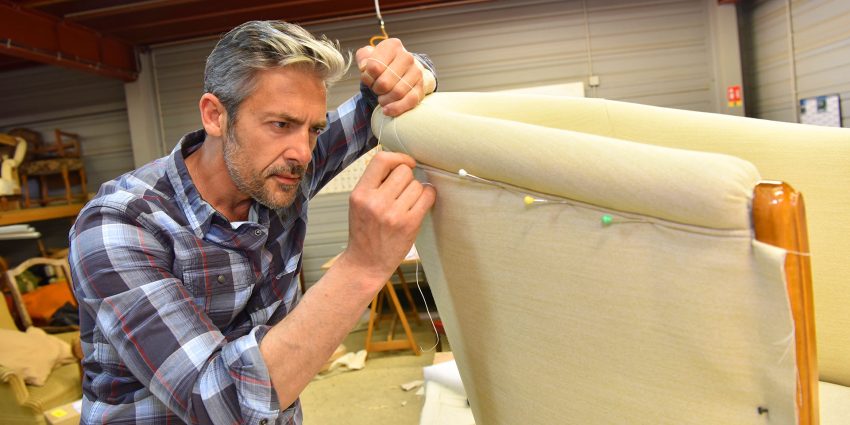
Most craftsmen believe that once they own the essential tools, the work should naturally improve. A good knife, a solid mallet, sharp punches, a reliable puller, done. The toolbox is full. The craft should flourish.
But tools alone don’t elevate the work. They simply make the work possible. The real transformation comes from everything surrounding the tools: the habits, the maintenance, the technique, the awareness, the things you don’t notice until something goes wrong.
If you think your tools are enough, here’s what might still be missing.
Your Tools Aren’t at Their Best Without Maintenance
Even the best tools don’t perform at full capacity if they’re neglected. Sharp edges dull quietly. Hinges stiffen. Handles dry out. Metal oxidizes in ways you don’t see until your cuts start dragging or your punches leave messy edges.
Maintenance isn’t glamorous, but it shapes every result.
A proper tool-care routine gives you:
- Better control with less physical strain
- Cleaner and more predictable cuts
- Tools that last decades instead of months
- A smoother workflow that doesn’t stop mid-project
- Consistency that improves both speed and accuracy
Small care equals big payoff.
Technique Makes Tools Come Alive
A perfect knife can still feel clumsy in untrained hands. A high-quality staple puller doesn’t guarantee clean removal without the right angle. Even the best regulator won’t create smooth padding unless you’ve developed the motion.
Technique shapes precision. Technique creates flow. Technique turns a tool into something that feels alive.
If your results aren’t matching your expectations, the missing piece might not be the tool; it might be how the tool is being used.
And that’s exciting, because technique is a skill that grows forever.
Workspace Setup Matters More Than You Think
A cluttered bench makes good tools feel slow. Poor lighting hides mistakes until they’re too late. A shaky cutting surface forces your blade to drag. Even the height of your chair changes your control and posture.
Your workspace becomes part of your toolkit. If it doesn’t support you, your tools can’t either.
A better layout improves clarity, confidence, and efficiency. Sometimes the biggest upgrade isn’t a tool, it’s the environment the tool lives in.
The Right Tools Are Only “Right” When They Fit You
Some tools feel perfect on paper but wrong in your hand. Maybe the handle is too wide. Or the weight is off. Or the angle doesn’t match how your wrist naturally moves. Comfort isn’t a luxury in craftsmanship; it’s a requirement for accuracy.
A tool should disappear in your grip. If it doesn’t, it’s working against you.
Trust how your body responds. Your hands are often smarter than your eyes.
Tools Are the Beginning. Craftsmanship Is Everything After.
Owning great tools doesn’t make you a great craftsman. It makes you a capable one. The transformation comes from technique, maintenance, workspace, comfort, rhythm, patience, and the constant desire to refine.
Tools open the door. Skill builds the room.